Archive Fever
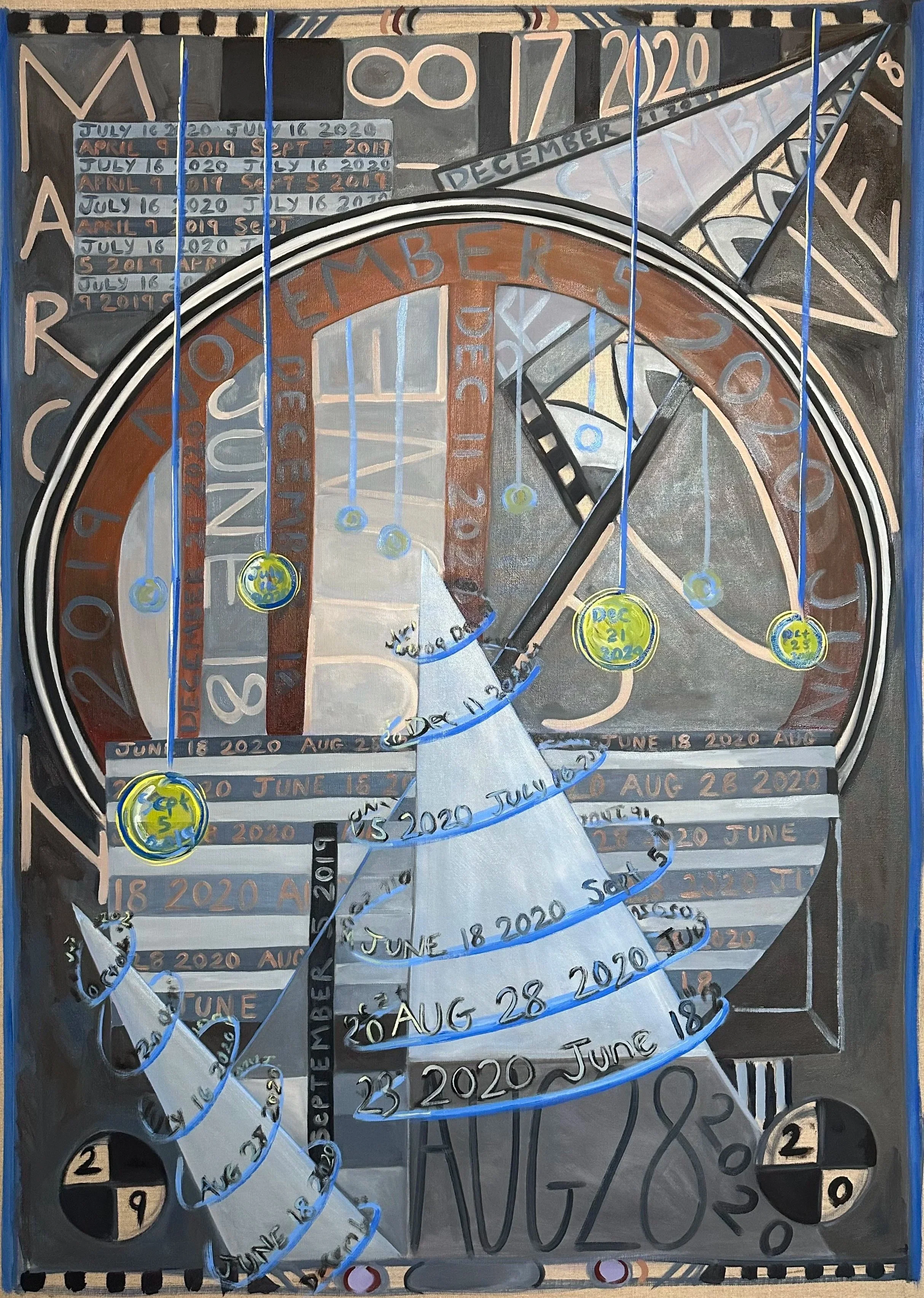
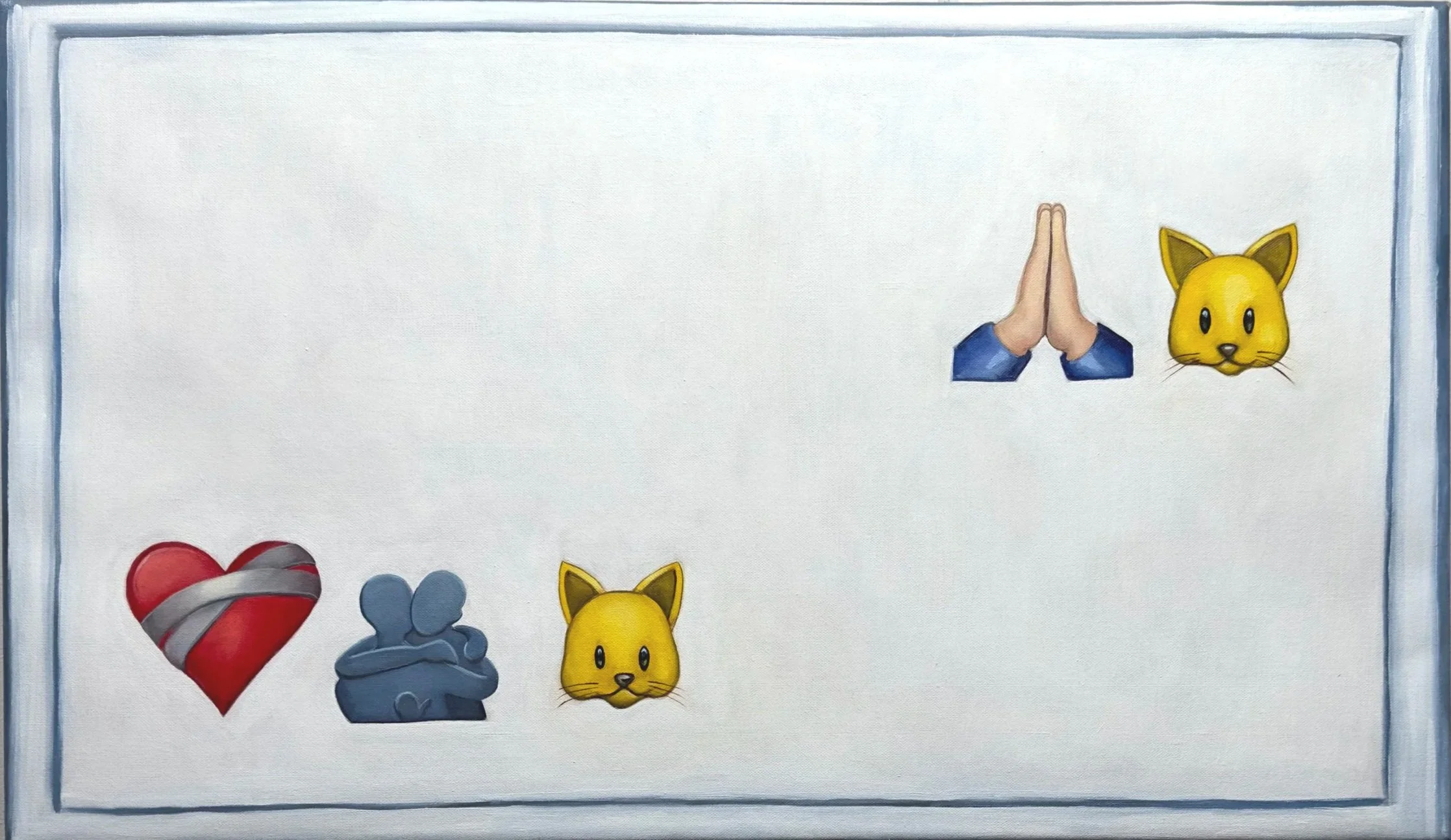
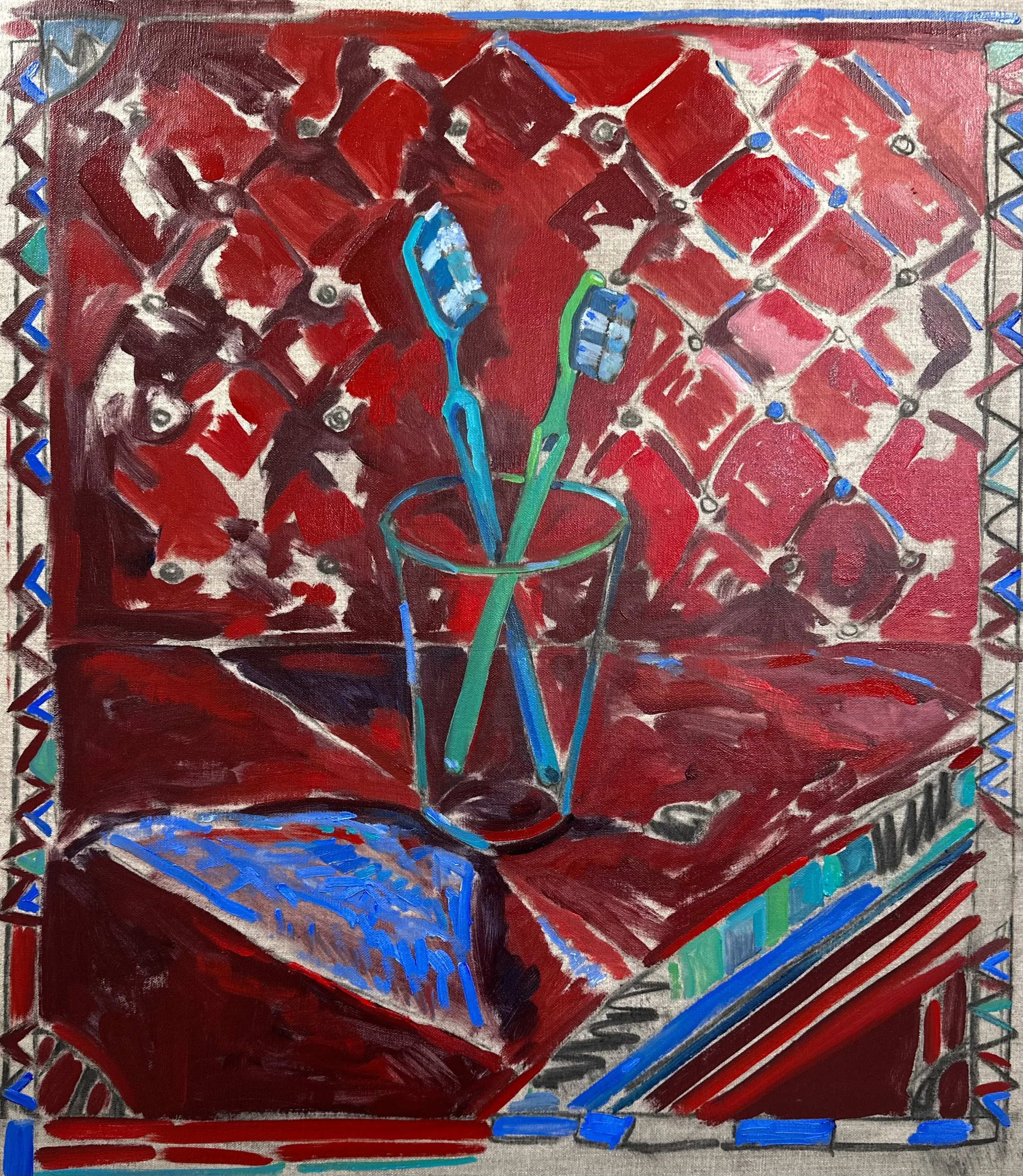
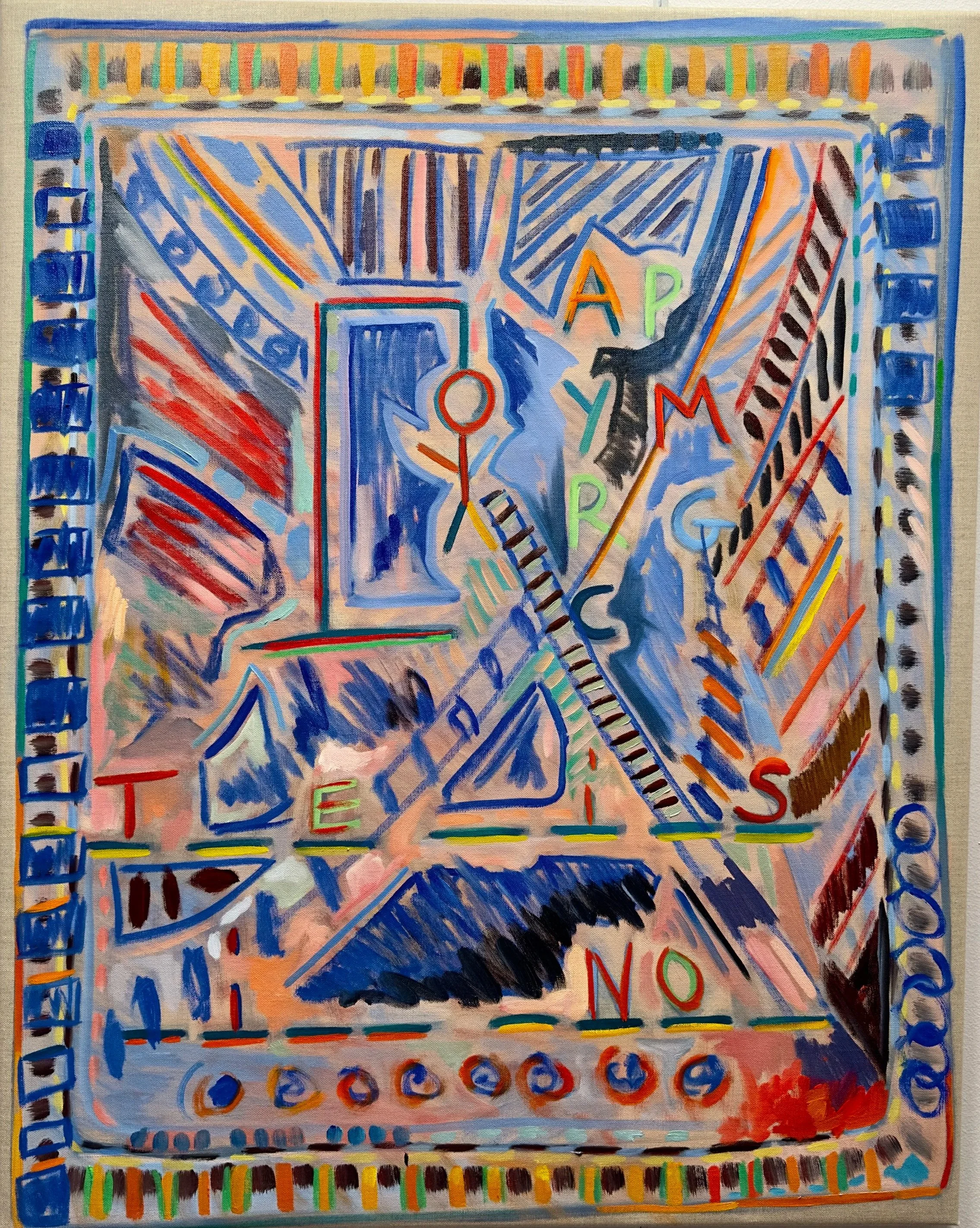
This body of work emerges from a need to preserve and reflect in the aftermath of rupture. Drawing from her personal archive—photographs, documents, messages, and records—Bretton revisits material and memories. What began as a way of finding footing becomes an inquiry into recording, retaining, and reclaiming, while offering a means to process and relocate difficult fragments outside the body.
Drawing on Jacques Derrida’s notion of “archive fever,” the series recognizes that the archive is never neutral. To archive is to determine what is preserved, named, and entered into the record. In conversation with trauma theory, the archive becomes a means of holding truths that may have been dismissed, overlooked, or denied. Remembering becomes an act of agency.
By translating personal records into painting, Bretton transforms fragile documentation into material presence. Archive Fever is an ongoing project, with each painting serving as a capstone within a larger series. The works draw from fragments embedded within thousands of pages of personal history—details obscured by time and accumulation yet persistent in everyday life.
Archiving here is not passive storage but active reconstruction. The paintings transfer the weight of memory from mind to canvas, transforming documentation into a grounding structure for reflection and reclamation.